Dear Trees
Day after day I parse minute nuances in syntax
and semantics for clients who, too often,
are writing books that contribute negligibly
to the store of human knowledge
or ways we might understand each other
in this fraught and fiery world.
What kind of occupation is this
for a person who wishes to be of service?
Am I employed merely to enhance
other people’s vanity? And what of my own vanity —
fifty years of writing stuff like this
that precious few people read?
Dear trees, I bow my guilty head before you,
less graceful, less essential than you
who deserve much, much better
than this interminable fabrication of words.
What is it, really, that I am doing
with this life I have been lent
and soon will have to give back
like a book to a library, a book
whose cover is worn, paper brittle,
and narrative inconclusive?
Conversation with the Author
In this two-part article, we welcome Susan Glickman, author, poet, editor. As we sit with the poem Dear Trees, let’s have a chat with Susan.
Q: Editors often say that they love their job because it allows them to work with words and language. Your poem instead highlights some of the other concerns we editors tend to have, which we might not always articulate.
I don’t always feel as downcast as this poem suggests — often I am deeply engaged by the work I am editing and love my job! I am a total word nerd, and teasing recalcitrant prose into an authentic representation of a writer’s thought and voice gives me tremendous pleasure. I even enjoy straightforward copy-editing; correcting bibliographies and notes satisfies me the same way a mechanic is satisfied when they know they are doing a job well.
Still, Dear Trees addresses a concern I sometimes have, especially when editing academic texts, that the book I’m working on doesn’t merit the attention it is getting, not only from me but from everyone involved in its publication: that the world doesn’t need yet another contribution on a topic of little significance to the planet’s survival.
But after all, our trade is an ancient and noble one. We are not manufacturing arms. We are not producing toxic chemicals. We are trying to make a permanent record of human thought and creativity. And I am not arrogant enough to assume that I know which books will turn out, in the long run, to be significant! So the mood passes.
Q: In the poem, you highlight how you sometimes feel like you are “employed merely to enhance other people’s vanity.” What would you tell authors — and others — about the significance of editing, especially because it is sometimes underrated?
Those who are curious about my work (and they are few) usually say that they would hate being edited because they imagine that their thoughts would be distorted and their own words lost in the process. They assume that “editing” skews negative when really, our job is simply to make people’s writing better: that is, clearer, more logical, more elegant, as the circumstances dictate. Usually after I explain that the editor is a proxy for the eventual reader of the book and that, therefore, the editing process is one of respectful dialogue, they are less prickly.
Q: Do you think all clients engage with our work like we engage with theirs?
I don’t know if my experience is typical, but generally I find my clients eager and responsive. People work so long and so hard, in solitude, writing books. They are thrilled when somebody finally gives their manuscripts serious attention!
Also, although the occasional writer can be egotistical and precious about their writing, the majority are not. Most of my clients just want their books to be as good as possible. Though I rarely meet any of them, our relationship can go beyond the professional to the cordial or even downright friendly. I have been lucky enough, for example, to have some academic clients go on to hire me privately; most recently, a philosophy professor engaged me to edit his first novel.
Join us next week as we continue this conversation with the author, digging more deeply into the publishing industry and the climate crisis, deforestation, and the advent of AI.
___
Previous post from Susan Glickman: Time to Put the “Free” Back in “Freelance”
The Editors’ Weekly is the official blog of Editors Canada. Contact us.
Discover more from The Editors' Weekly
Subscribe to get the latest posts sent to your email.
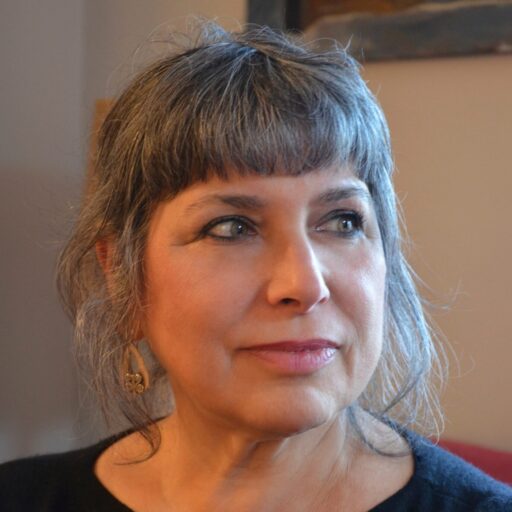
Susan Glickman
Susan Glickman grew up in Montreal and now lives in Toronto, where she works as a freelance editor and is learning to paint. She is the author of eight volumes of poetry, four novels for adults, three novels for children and two works of nonfiction.