
Modern authors often diversify their stories by including characters who have marginalized identities different than theirs. Whether in the main or supporting cast, these characters increasingly appear across a variety of genres with varying levels of success.
So should all editors, regardless of specialty, offer some form of sensitivity reading? After all, the more editors offering that service, the less intimidating or obscure it may seem, making authors more comfortable seeking it out.
Whether more editors should offer sensitivity reading isn’t for me to decide. But more editors certainly could start doing it. Not through good intentions alone, which are no substitute for skill, or by earning a certificate, which I don’t think exists. But by first looking at who they are.
How identity can shape our work
See, despite snarky belief, editors aren’t just grammar goblins or sticklers for structure. We are unique individuals with identities — ways we define and understand ourselves that create a deep sense of belonging and personal meaning.
I am a cishet Black woman from Philadelphia who reps Gen X and loves Jesus, a combination with a variety of implications. Being Black and Gen X has always been dope (and always will be), while being Black and female is often a double whammy. Don’t get me started on the perpetual complexity of being Black, American and Christian, especially in the year of our Lord 2026. Yet each identity contributes uniquely to the mosaic of me and is essential for an accurate portrait.
You also claim certain identities, some perhaps more openly than others. So you could offer sensitivity reading for stories featuring characters with those identities. Not because you fancy yourself a self-selected spokesperson for everyone in the entire group, but because you’re willing to research how to write such characters when one doesn’t have that identity, rather than giving advice based only on your personal opinion.
That last part is essential. Sensitivity readers may very well start by asking, “Do I find this problematic?” but the actual question is “With respect to this identity group, are there generally agreed-upon guidelines and best practices, or historical sensitivities and cultural nuances warranting consideration, that render some choices in this story potentially problematic? If so, can I explain that potential and suggest changes that would work within the existing story (where possible) without maligning the author or their intent?”
This is the heart of sensitivity reading — offering educated feedback that encourages authentic, respectful depictions of characters and cultures different than the author’s, not trying to force that author to conform to another’s vision. I often say that writers have the right to write what they want because it’s their book and their business. Part of that business is taking responsibility for what they write and making sound choices they can stand behind. Should they need advice on which choices are less likely to cause harm, sensitivity readers can help.
What should you do next?
So if you want to help, what should you do now? Commit to learning more about writing inclusively. For a comprehensive, foundational understanding, I recommend Writing an Identity Not Your Own by Alex Temblador. Karen Yin’s The Conscious Style Guide explores the power of diction and how to make intentional choices. Follow sensitivity readers online (like yours truly) and readers with marginalized identities discussing what they love and hate about depictions of that group in fiction. Create a list of resources or sensitivity readers to pass along to authors who might need that kind of help.
Also remember you don’t actually have to become a sensitivity reader. The work can be pointedly and personally trying, so deciding to offer this service is no light matter. Regardless, your awareness of its importance will enrich your work in subtle, even unconscious ways and help you serve your authors better no matter what they write.
—
The Editors’ Weekly is the official blog of Editors Canada. Contact us.
Discover more from The Editors' Weekly
Subscribe to get the latest posts sent to your email.
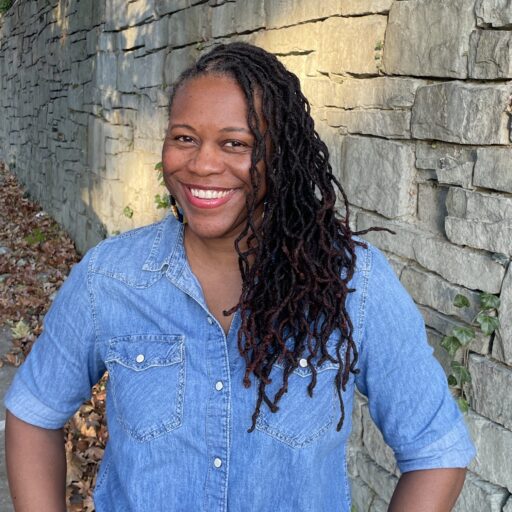
Denise Madre
A bibliophile with an English degree and a mild addiction to Pride and Prejudice variations, Denise Madre founded Prose without Thorns to help writers uncover their best work. She provides editing, sensitivity reads, and consultations for a variety of genres. With more than 160,000 followers and 1 million likes across all platforms — @ProseWithoutThorns — Denise is a trusted voice in the writing space, offering clarity, community, and compassion with a healthy dose of common sense.