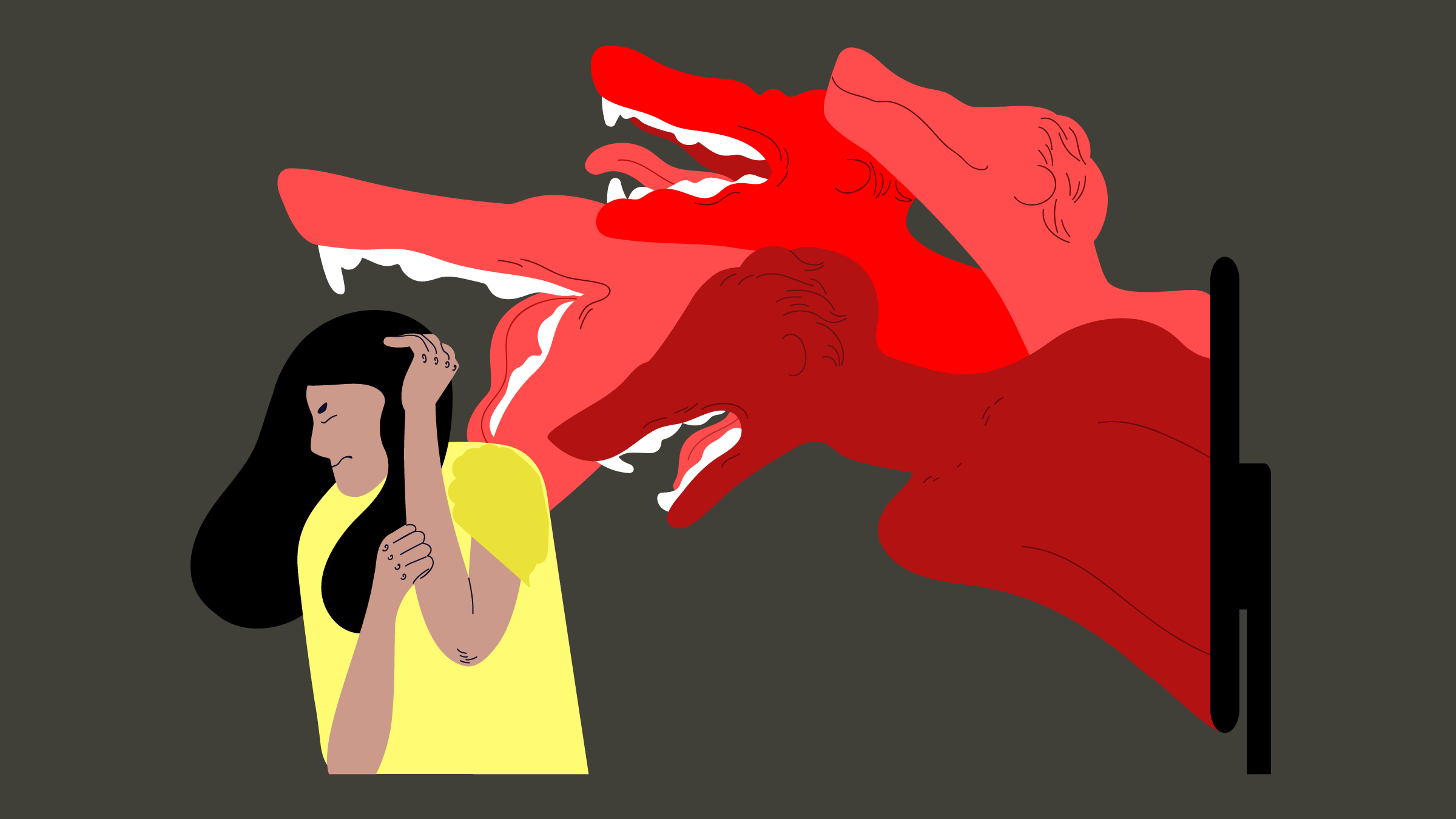
Even though it’s not spooky season yet, many editors may find themselves with a horror manuscript in their hands. If you are editing or writing a story with a monster, describing the monster can be a bit of a problem sometimes. How do you describe the indescribable? Let’s explore how to portray a monster as viscerally as possible.
Focus on feelings and sensations
Don’t pay too much attention to the monster itself. Instead, focus on how it makes the character feel and how they perceive it. Is the room colder every time it appears? Is the ground wet after the monster walked over it? Does the texture of the monster remind the main character of anything? Be as specific as possible, avoiding overreliance on metaphors or similes. The reader has only the main character as an instrument to learn more about the monster, so use their perspective to your advantage. A specific feeling or sensation will leave a strong impression.
Prepare the environment
The monster can be scary on its own, yes, but setting also plays a major role. If the main character finds the monster in their own house their reaction will be different than if they find it in a community centre or park. Use elements of the environment to support the description. Can anyone else see the monster? Is the monster hiding in plain sight or in the shadows? What does where it lives say about the monster?
Using these aspects will not only create a unique portrait of the monster, but also let you describe the environment in an economic way. If you are struggling with conveying where the character is, use the monster as a centrepiece and describe the surroundings from there. For example, if your description of a beach seems out of place, try contrasting how the beach used to be with the effect an aquatic monster is having on the area.
Create a personal connection
The monster can have a scary appearance, but it’s way more fun to think of what is scary for the character specifically. Tie in the character with the monster through the description. Maybe the monster is a revolting mix of everything the character hates, or maybe the monster looks like the main character’s childhood friend who died. Whether you’re an editor or the writer, this is the perfect time to put yourself in the character’s shoes. Think about everything you know about the character: their place socially, mentally, emotionally. All of this can be used to strike the character where it hurts the most. The more personal the appearance of the monster is for the main character, the better the description and story will be.
Be weird and specific
Many writers play it safe with elements or creatures that are already deemed scary by a general audience. Sometimes it’s unconscious: using classic phrases, tired metaphors, etc. But it’s much more interesting to think outside the box or write your own take on a popular monster. Get weird and specific with your creation! If you accept weirdness in your ideas, you can reach new creative heights.
Everyone is afraid of monsters in the dark, but what if your monster were scared of the dark as well? An uncommon situation invites an uncommon description, and readers will be more likely to get hooked. As I like to say, “Writer, don’t be afraid to write what you want to write, and editors, remember to always be supportive.” An editor isn’t there to put a story in a box, but to help the writer with their own ideas.
In fact, the overall point of these tips is to be as specific as possible. The more specific you get, the more you immerse the reader in the story. Get the reader thinking about not only how the monster looks but also what they would do in that situation and how they would feel in the main character’s shoes.
___
The Editors’ Weekly is the official blog of Editors Canada. Contact us.
Discover more from The Editors' Weekly
Subscribe to get the latest posts sent to your email.

Keila Gallardo
Keila Gallardo is a Peruvian queer editor, translator and sometimes writer. Their love for stories and their power to make people feel things took them to Canada, where they currently live after graduating with a Bachelor of Arts in Literature and Communication Studies. As a multidisciplinary editor, they focus on helping creators with honest, emotional and exciting stories. Their hobbies include reading, playing video games, going to concerts and watching heartbreaking shows. Logo credit: redit – breaduu (@bread_with_egg_ on Twitter)